Why Avoiding Martingale Style Systems Protects Your Gaming Budget
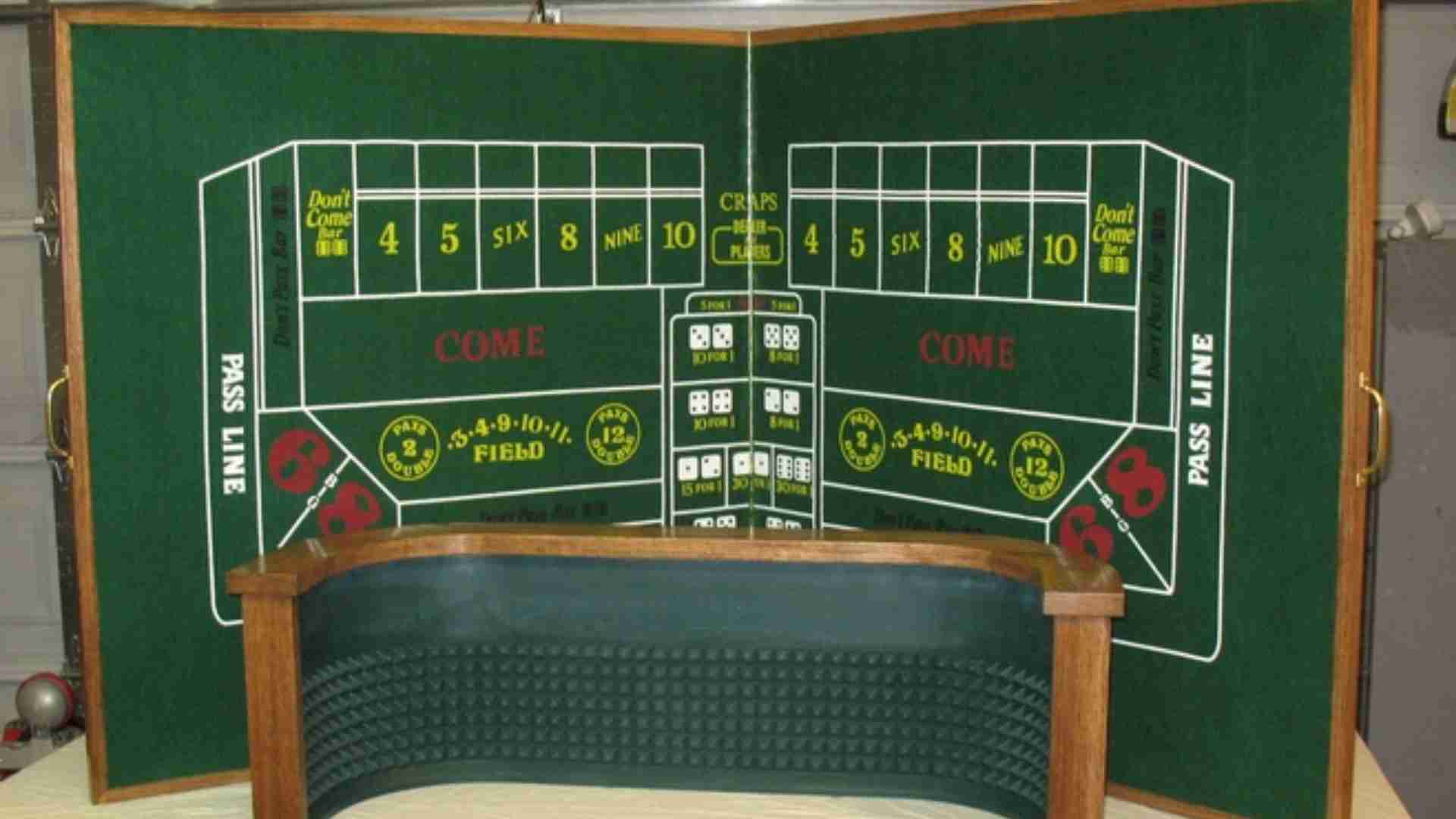
Navigating the realm of modern digital entertainment requires a clear understanding of financial risk and strategic planning. Many players rely on progression strategies to recover losses, but doubling down after every setback can quickly exhaust personal resources. Steering clear of negative progression models is essential for maintaining control and ensuring sustainable entertainment.
The Underlying Flaw of Negative Progression
The Martingale approach operates on a simple premise where a player doubles their stake following every unsuccessful outcome to recover past losses with a single win. While this sounds logical in theory, it ignores the statistical reality of independent events and probability distributions. A prolonged streak of unfavorable outcomes rapidly escalates required stakes to unsustainable levels.
Furthermore, digital platforms and traditional table environments enforce strict maximum limits on participation amounts to safeguard operations. When exponential growth meets platform ceilings, the system collapses, leaving the participant unable to recover their accumulated losses. Recognizing these inherent mechanical limitations is the first step toward adopting safer gaming practices.
Exponential Growth and Financial Strain
The primary threat posed by progressive doubling systems is how fast small initial choices escalate into massive requirements. A modest starting stake can multiply dramatically within just a few consecutive rounds, placing severe pressure on fixed bankrolls. Most casual players simply do not possess infinite funds to absorb extended negative runs.
When unexpected sequences occur, emotional stress often clouds decision-making, leading players to make impulsive choices outside their original plan. Choosing flat allocation strategies instead allows participants to manage risk predictably without exposure to sudden spikes in cost. Keeping daily allocations structured helps maintain healthy boundaries throughout every session.
Preserving Entertainment Value Through Flat Stakes
Approaching casual entertainment with fixed-stake management protects individual balance sheets while extending overall play sessions. Rather than chasing past outcomes, fixed allocations ensure that each selection carries identical, manageable weight. This balanced mindset eliminates the emotional swings associated with rapidly compounding risks.
By prioritizing consistency over loss recovery, players preserve the core enjoyment of interactive pastimes. Staying grounded in rational principles ensures long-term sustainability and prevents unexpected financial hardship. Smart participants recognize that long-term satisfaction relies on discipline rather than dangerous betting progressions.
Building Sustainable Discipline and Limits
Establishing clear operational boundaries before beginning any digital session is crucial for maintaining control over personal finances. Setting explicit session duration limits and pre-determined spending caps prevents emotional choices when unexpected patterns arise. Treating entertainment costs as fixed expenditures ensures that gaming activities remain engaging and safe.
Ultimately, true strategic mastery lies in understanding statistical limits and avoiding aggressive systems designed on flawed assumptions. Relying on disciplined session tracking and self-awareness fosters a far healthier relationship with digital pastimes. Informed players safeguard their budgets by embracing structure, patience, and realistic expectations.