Reward Systems That Keep Experiences Dynamic
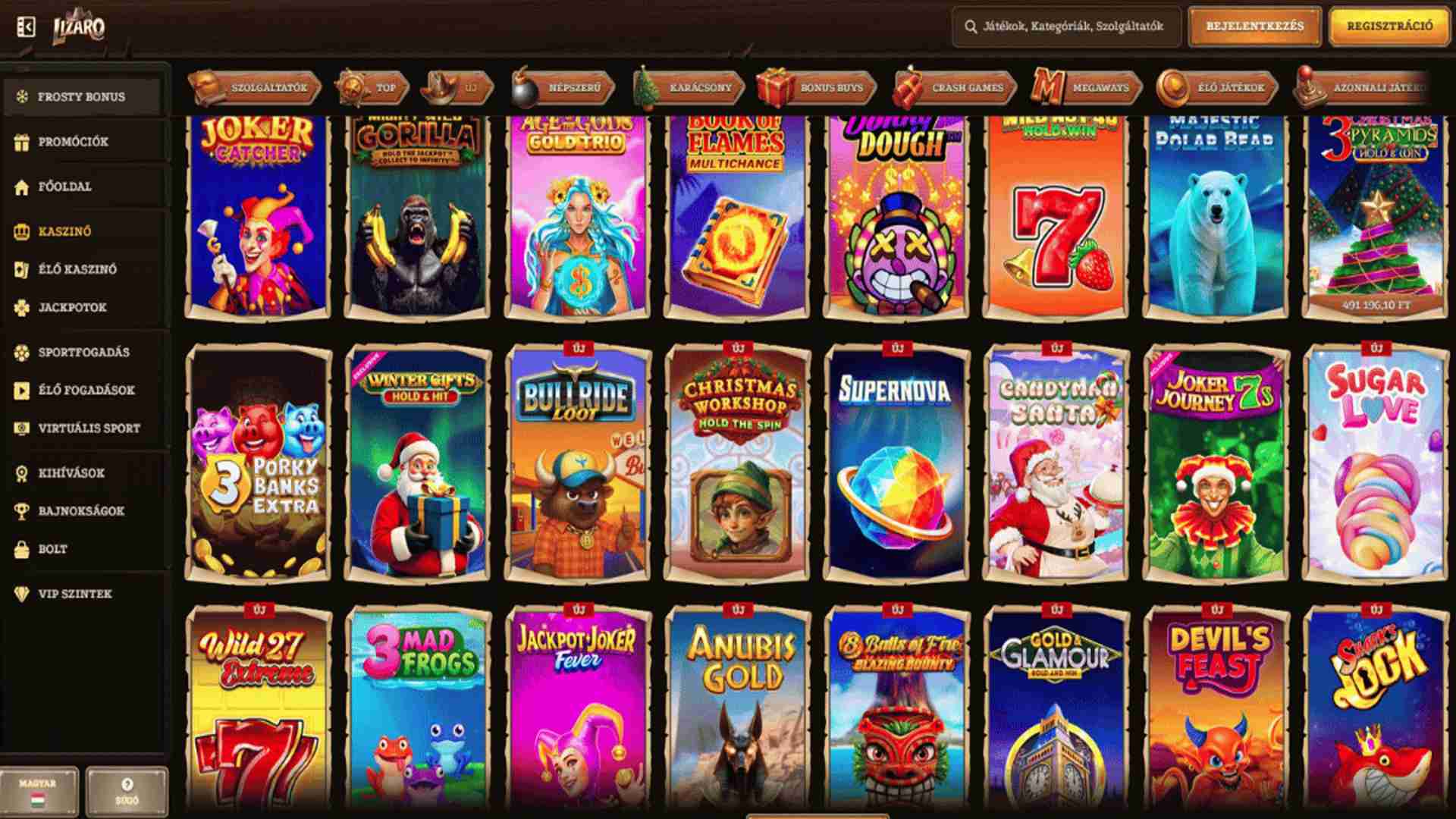
Modern digital platforms are shifting away from static interfaces to build deeply interactive environments that adapt to human behavior over extended periods. At the center of this structural transformation is the deliberate integration of dynamic incentive models that challenge traditional linear progression paths. By moving beyond predictable milestones, modern developers can successfully cultivate long-term user interest and significantly reduce cognitive fatigue.
The Mechanics of Variable Feedback
Static delivery models often lead to rapid user habituation because the human mind inherently craves novelty and unpredictable outcomes. Introducing subtle fluctuations into reward schedules completely changes how participants perceive value within a simulated digital landscape. This innovative approach ensures that every single milestone achieved feels uniquely earned rather than systematically pre-ordained by rigid programming.
When applying these psychological principles, contemporary creators frequently look toward varied online industries where user engagement remains high. For instance, platform developers looking for verified implementations can explore trusted portals like M88 indonesia to observe highly effective interactive loops. By evaluating how consumer choices interact with systemic probability, digital architects can construct more resilient and adaptive structures.
Balancing Engagement and User Trust
While introducing unexpected rewards can elevate excitement, developers must maintain a delicate balance to avoid causing unnecessary user frustration. If the allocation of positive feedback feels completely arbitrary or punitive, participants may quickly lose motivation and abandon the platform entirely. Maintaining absolute transparency in underlying mechanics ensures that the active community feels respected and valued throughout their journey.
Building meaningful systems requires clear algorithmic safeguards that prevent accidental progression blocks or repetitive low-tier distribution patterns. Ensuring equity across different user demographics establishes a sustainable environment built on long-term commitment and mutual respect. Ethical design principles prioritize authentic satisfaction over aggressive habit-forming loops to foster genuine, lasting platform loyalty.
Furthermore, regular updates to the underlying distribution framework help maintain a level playing field for all types of participants. By actively monitoring engagement trends, designers can fine-tune drop frequencies to ensure the environment remains competitive yet accessible. This continuous calibration prevents the digital economy from stagnating and keeps user interactions fresh.
The Psychological Drive of Unpredictability
Cognitive studies indicate that unexpected positive reinforcement stimulates specific neurochemical responses closely linked to anticipation and curiosity. The unique thrill of discovering a secret bonus provides a much stronger emotional impact than standard milestone recognition. This psychological phenomenon successfully transforms ordinary digital interactions into memorable adventures that participants naturally want to repeat.
By blending structured, skill-based goals with sophisticated element-of-chance features, contemporary platforms can satisfy multiple user personas simultaneously. Casual participants enjoy the immediate excitement of sudden discovery, while dedicated enthusiasts appreciate the strategic depth of varying outcomes. This multi-tiered operational strategy prevents sensory burnout and keeps the shared ecosystem vibrant over extended periods.
Future Directions in Dynamic Design
The next generation of interactive digital systems will likely utilize advanced machine learning to personalize feedback loops in real time. By analyzing unique behavioral patterns, platforms can tailor specific milestones to individual expectations without sacrificing overall systemic equity. This unprecedented level of customization ensures that virtual spaces remain highly relevant to each unique active user.
Ultimately, designing compelling environments requires a continuous evolution of how digital incentives are distributed, managed, and presented. As consumer expectations shift toward deeply engaging content, the demand for sophisticated, adaptive design frameworks will only continue to grow. Maintaining the perfect balance between stability and surprise remains the cornerstone of modern entertainment development.