Does Hawaii Have a Lottery Understanding the State Lottery Situation
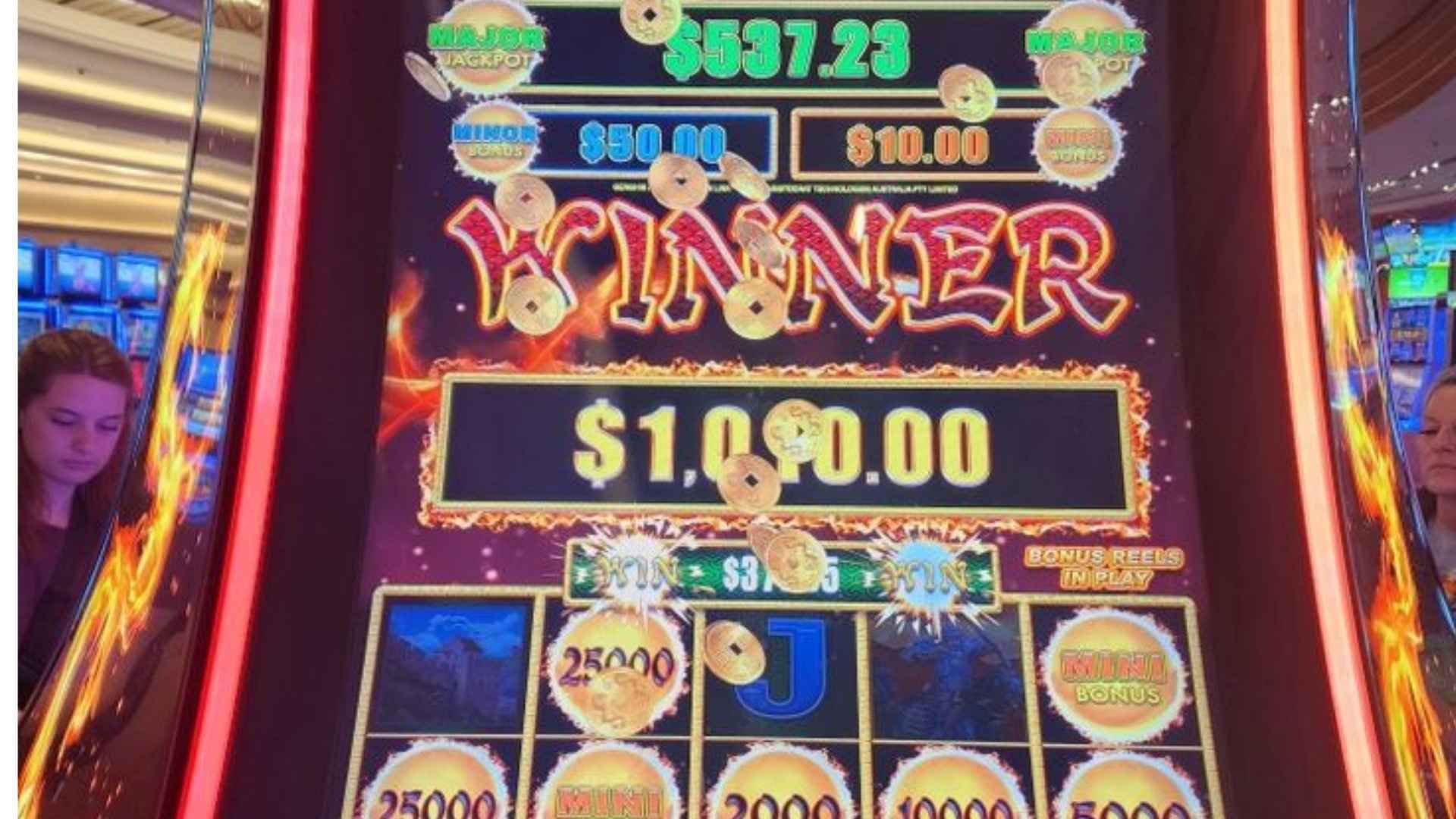
Hawaii stands as one of the few states in the United States that strictly prohibits almost all forms of legalized gambling, including a state lottery. Residents and tourists visiting the islands often wonder why draw games and scratch-off tickets are entirely unavailable across the state. Understanding the legal history and cultural motivations behind this prohibition provides valuable insight into Hawaii's unique stance on gaming entertainment.
The Legal Landscape of Gambling in Hawaii
Hawaii's state constitution and statutory framework explicitly ban commercial casinos, sportsbooks, and state-run lottery games. Local lawmakers have historically maintained strict anti-gambling policies to preserve the quality of life and unique social fabric of the islands. As a result, purchasing a ticket for multi-state jackpots like Powerball or Mega Millions inside Hawaii remains illegal.
The prohibition extends beyond physical tickets to include digital gaming options within state boundaries. While gaming platforms such as link m88 terbaru hari ini serve international audiences, Hawaiian residents cannot legally participate in online lottery games from home. Law enforcement and legislative authorities continuously monitor digital spaces to enforce state gambling compliance.
Historical and Cultural Reasons Behind the Stance
Cultural preservation plays a significant role in Hawaii's ongoing refusal to establish a state lottery. Community leaders frequently argue that introducing legalized gambling could negatively impact local families and disrupt neighborhood stability. Opponents also emphasize that low-income households might bear the financial burden of purchasing lottery tickets.
Furthermore, Hawaii's powerful tourism sector operates around family-friendly vacationing and natural beauty rather than resort gaming. Major hospitality stakeholders often support keeping the islands free of gambling attractions to protect the state's traditional branding. This unified opposition from social advocates and industry leaders has kept lottery bills from passing for decades.
Legislative Debates and Revenue Considerations
Despite the long-standing ban, lawmakers occasionally introduce bills proposing a Hawaii state lottery to generate public revenue. Proponents highlight that potential proceeds could support public education, affordable housing, and infrastructure projects across the islands. They also point out that millions of dollars leave the state annually when residents travel to gaming destinations like Las Vegas.
However, these legislative proposals consistently stall during committee hearings due to strong public pushback. Opponents argue that social costs associated with problem gambling far outweigh any tax revenues gained from lottery sales. Consequently, state leadership repeatedly chooses alternative fiscal solutions over legalized wagering.
How Hawaii Residents Navigate Gaming Alternatives
Because local draw games are unavailable, many Hawaii residents travel to other states to participate in gaming activities. Nevada has earned the nickname of the ninth island due to the high volume of Hawaiian travelers visiting Las Vegas for casino and lottery entertainment. Vacationers often buy lottery tickets while visiting the mainland to test their luck legally.
For those remaining in Hawaii, social games without real-money stakes or traditional raffles hosted by verified charities remain the only compliant options. Navigating these boundary lines ensures that residents adhere to state laws while enjoying community events. Until legislative consensus shifts, Hawaii will continue to be one of the rare states without a public lottery system.